Puerto Rico is an island full of festivals and celebrations open to everyone. Almost every weekend you can find an event going on in one of the 78 municipalities. A lot of towns have their patron saint festivities (Fiestas Patronales) and others have festivals dedicated to agricultural products such as tomatoes in Jayuya or coffee in Maricao. Even the mango has a festival in Mayagüez. The Aibonito Flower Festival is dedicated to tropical plants and landscaping.
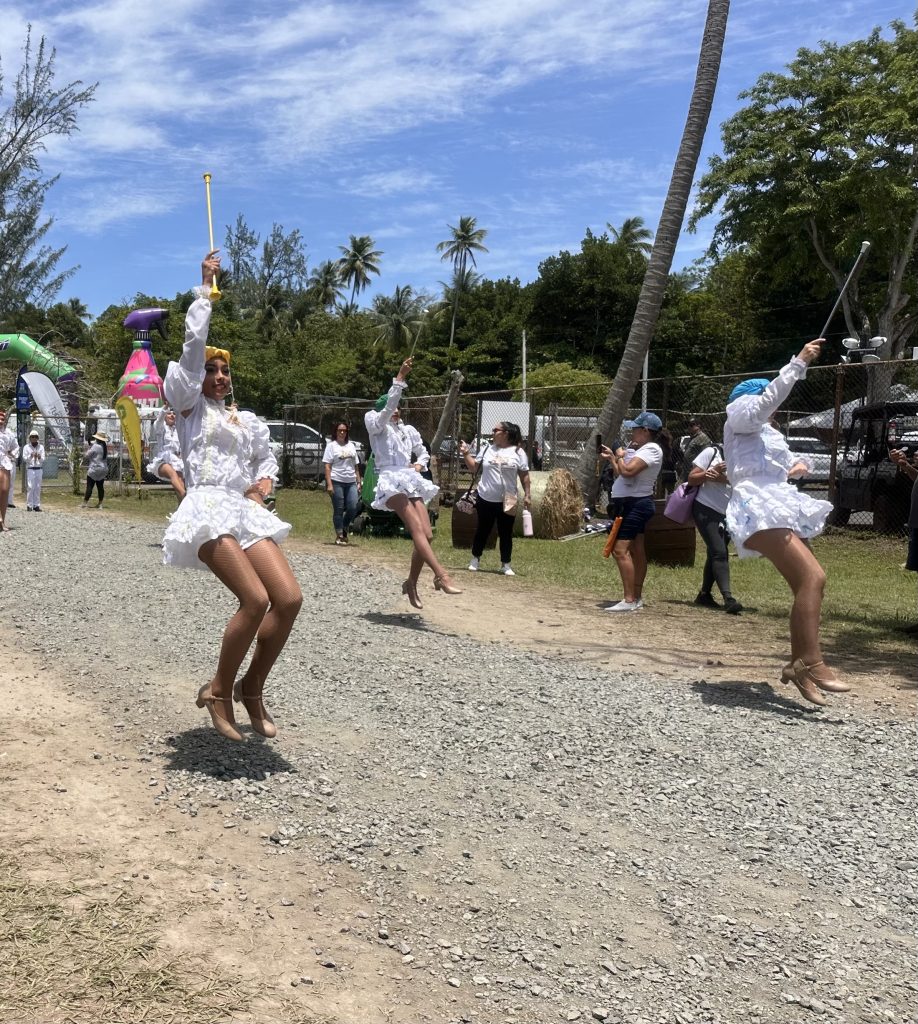
Other festivals are dedicated to artisans or unique, regional handcrafts such as The Hammock Festival in San Sebastian or the Petate Palm Festival. Special regional dishes also qualify for festival celebrations. Guaynabo holds a pigs feet stew festival and Salinas has the Mojito Isleño fish festival.
Regardless of the festival theme most of these regional celebrations will include key elements:
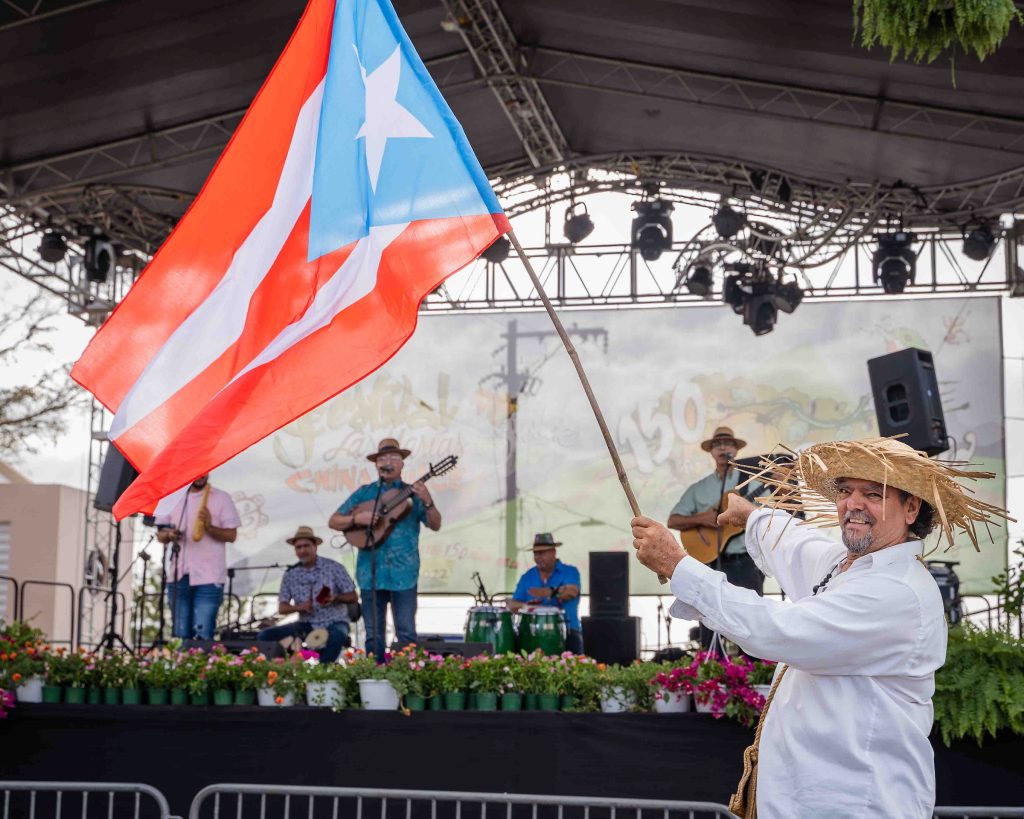
Music:
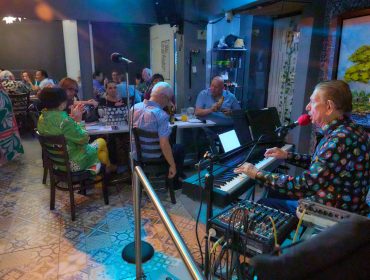
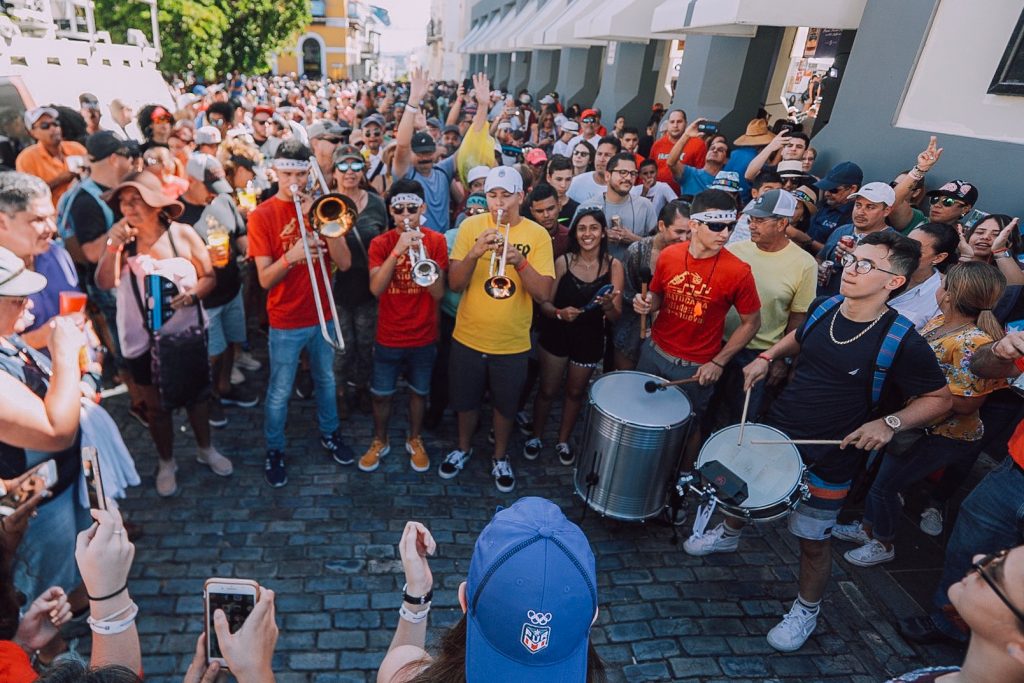
There will almost always be a line up of bands for every day, usually salsa and merengue and sometime traditional troubadour style music, particularly during the artisan themed fairs up in the mountains.
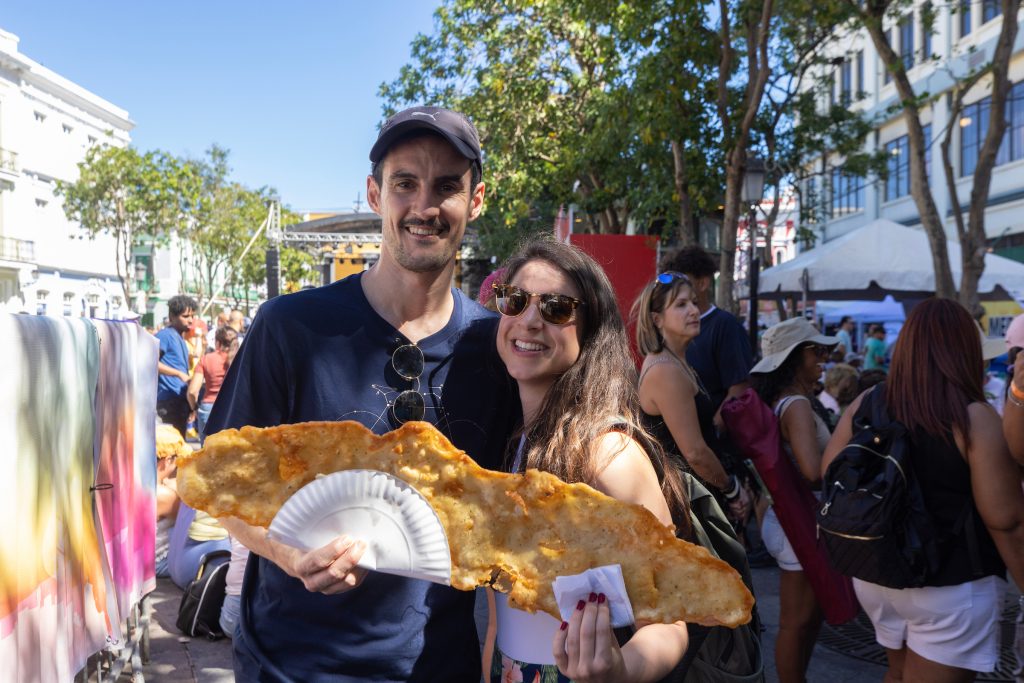
Food:
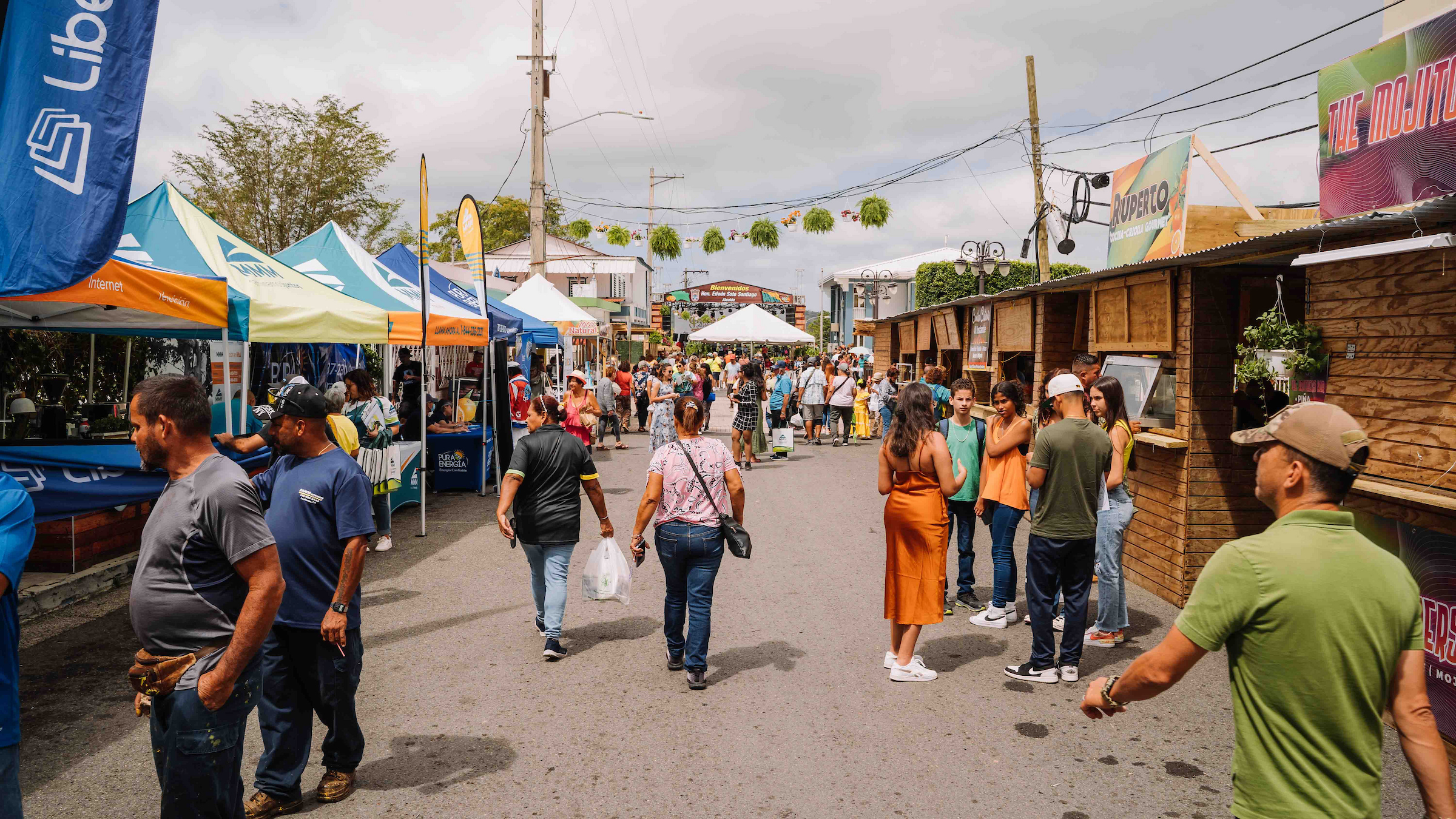
Expect plenty of kiosks and food trucks in the main plaza or grounds. Festivals are almost the equivalent of “frituras” or deep fried fritters stuffed with a variety of meats and encased in a flour, yuca or even malanga coating. Festivals with a food theme obviously will present the dish in many different ways and variants.
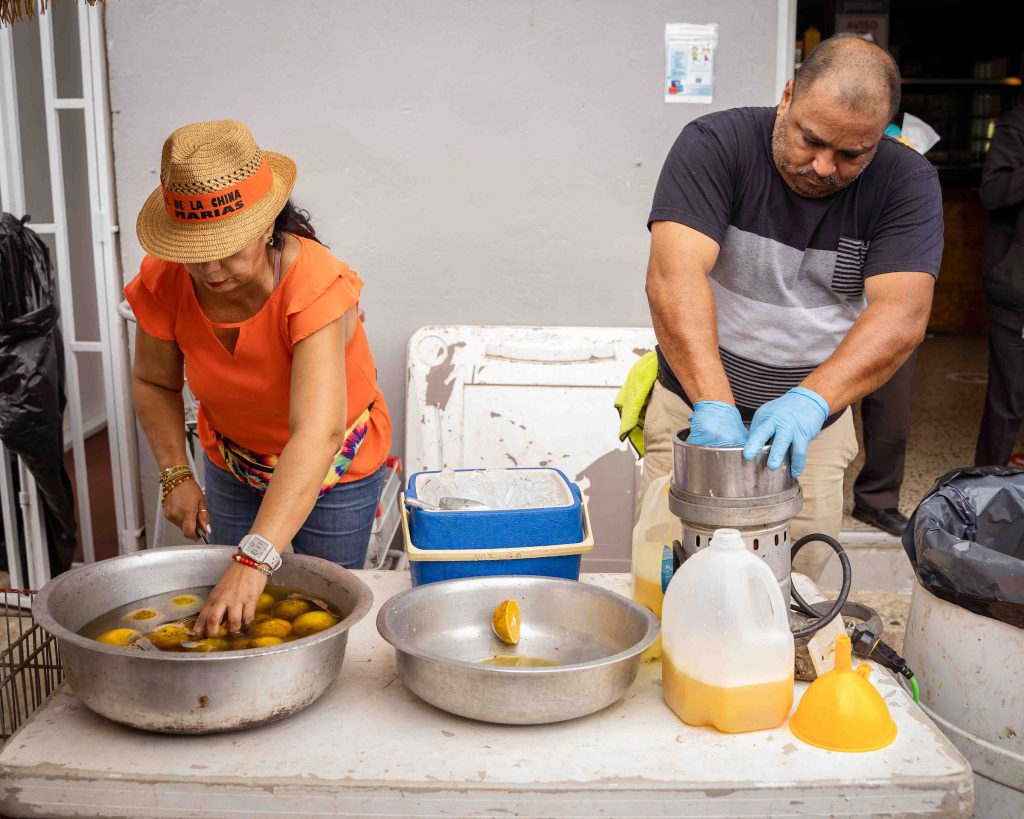
Drink:
you can find everything from a full bar setup, beer vendors, and jugos del pais or local fresh juices ranging from lemon to exotics such as guanábana or soursop.
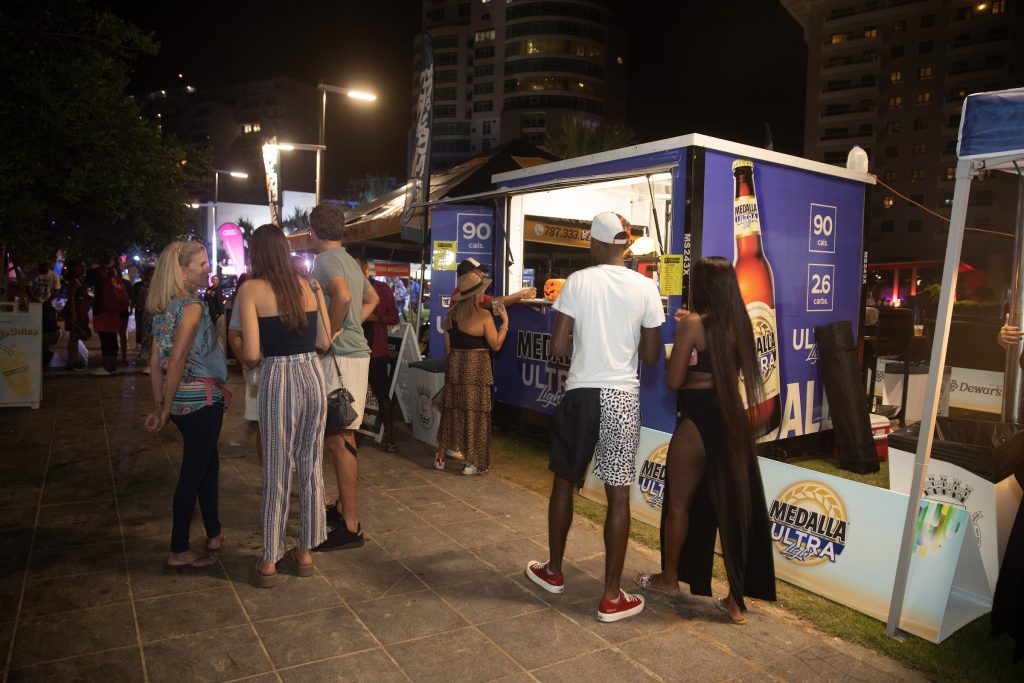
Vendors:
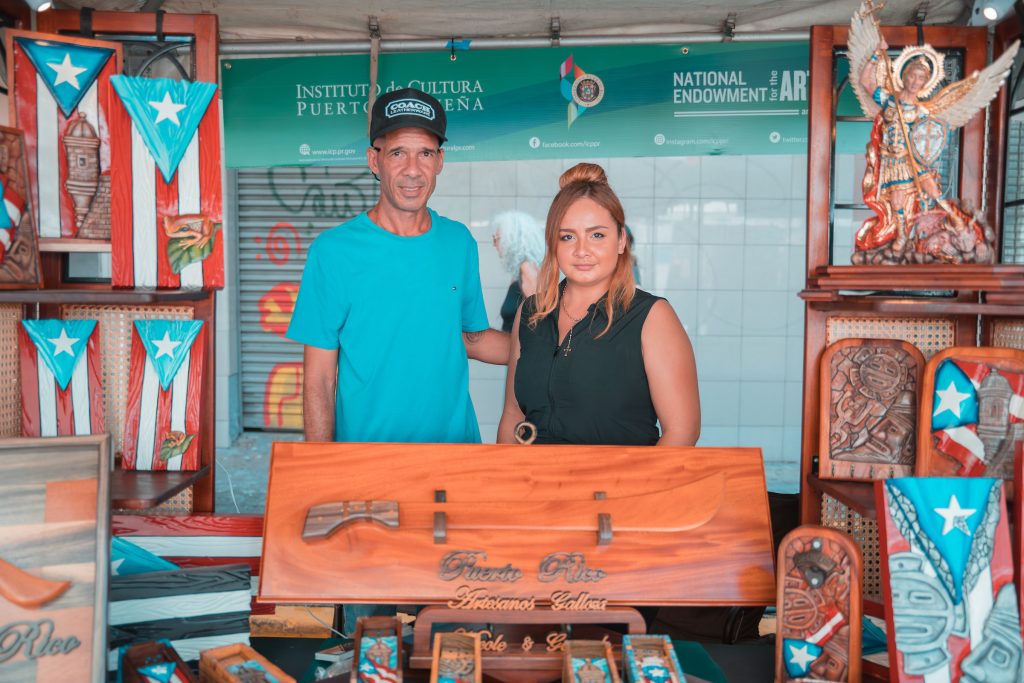
You’d be surprised at all you can find at these celebrations. Artisans will display their unique traditional creations and other artists will offer their work ranging from simple ceramics, wooden toys, jewelry, to their own custom line of clothes.
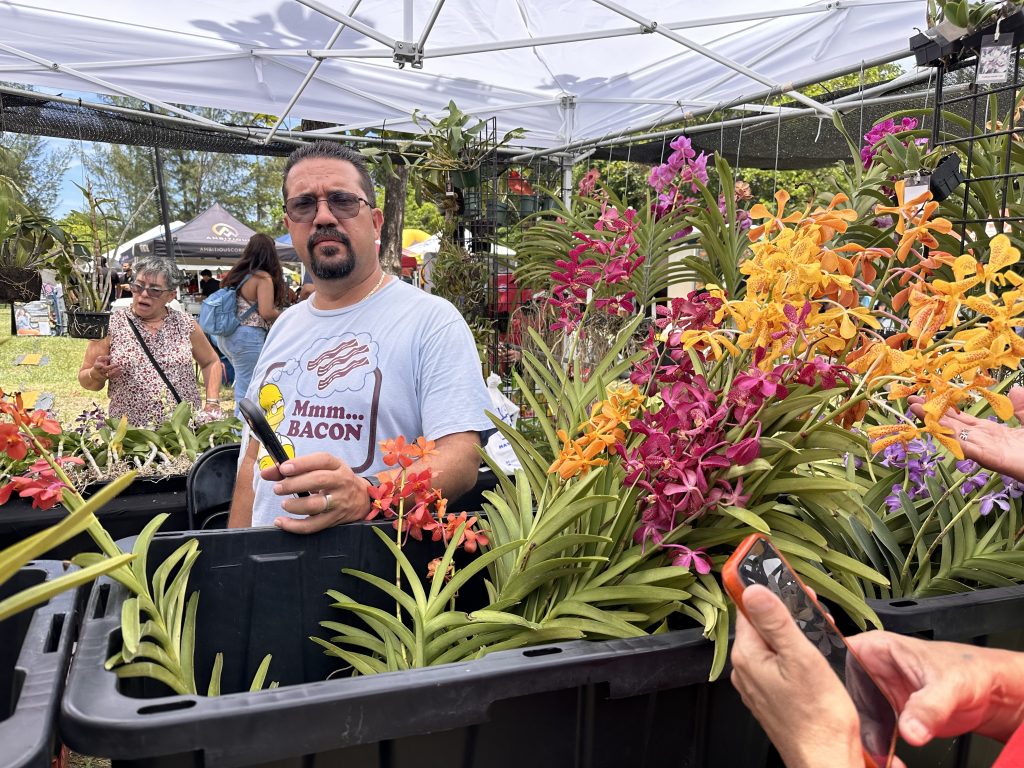
Orchids and plants are also popular items and expect scented candles, soaps and incense. Local honey, hot sauces and cooking ingredients are featured in almost all festivals.
Fun:
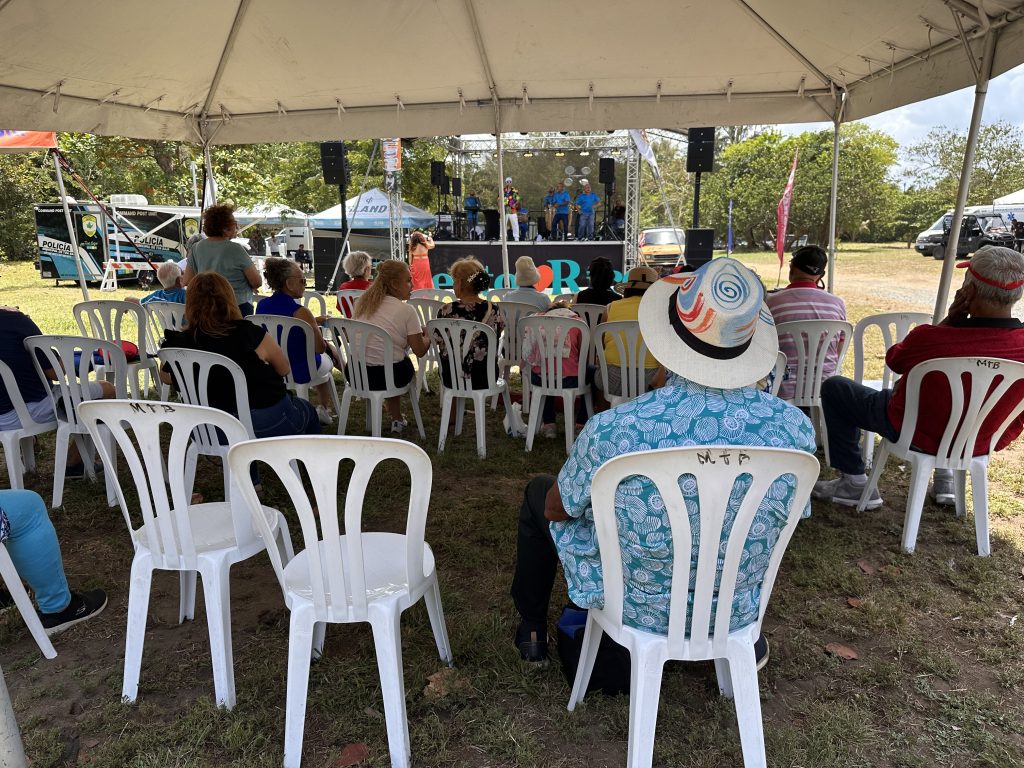
These events bring people together. You’ll see entire families equipped with chairs “camping out” close to the stage or under a shade tree. Groups of neighbors and friends who meet up every year and even town-folk who now live in the States will return specially for the celebration.
Here’s a partial list of the more popular annual festivals with the month they usually take place. Exact dates are set just a few months before each festival.
January
– Fiestas de la Calle San Sebastian, Old San Juan
– Festival de la Salsa Picante (Hot Sauce Fest), Isabela
February
-Carnaval de Ponce, Ponce
-Carnaval Mabó, Guaynabo
– Festival del Acabe del Café (Coffee harvest festival), Maricao
March
-Festival de la China Dulce (Sweet orange festival), Las Marías
April
-Festival del Apio (Celery Root festival), Barranquitas
-Festival del Tomate, (Tomato festival), Jayuya
May
-Festival del Pescao (Fish festival), Cabo Rojo
June
-Festival del Mangó (Mango festival), Mayagüez
-Feria Nacional de las Artesanias (National Artisans festival), Barranquitas
July
-Festival del Mojo Isleño (Creole Snapper festival), Salinas
-Festival de la Hamaca (Hammock festival), San Sebastián
August
-Festival de la Pana (Breadfruit festival), Humacao
September
-Fiestas Patronales de Salinas (Salinas Patron Saint festival), Salinas
October
-Festival del Plátano (Plantain festival), Corozal
November
-Festival Nacional Indígena (National Native Indian festival), Jayuya
-Festival del Petate (Palm Frond Weaving festival), Sabana Grande
December
-Festival Jíbaro, (Traditional mountain life festival), Quebradillas
-Festival del Petate, (Petate Palm Weaving festival), Sábana Grande