When you get in a car on the Island you join a large fluid group, almost a separate culture, trying to manage the same limited space. You’ll find distances between exits are shorter, exit and on ramps may appear suddenly and are much tighter than in the U.S. If you’re visiting, a rental car is a game changer and opens up a world of possibilities. Smaller cars are best for the main Island and 4 wheel drive vehicles are recommended for Culebra and Vieques
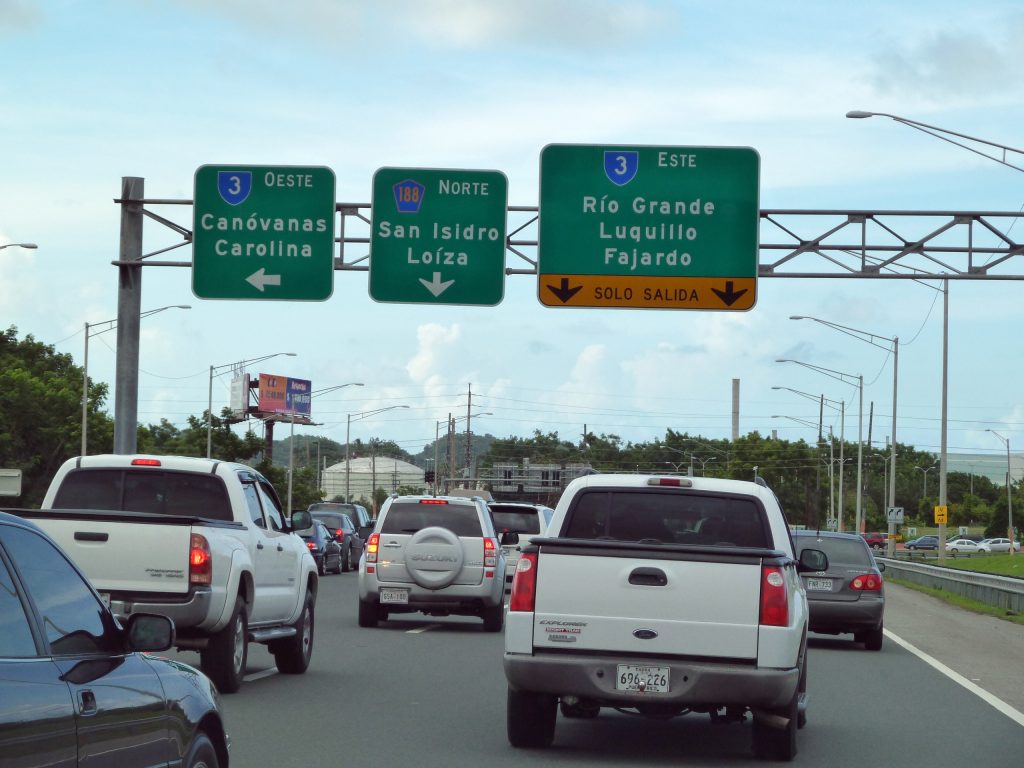
Navigating these reduced spaces leads to more creative driving habits. Couldn’t make it all the way to the right lane to turn? Turn from the middle lane (after asking for permission from the car alongside first…) Missed your exit on the highway? Get on the shoulder and back up… All of these are illegal since driving laws are very similar to the States but it’s done frequently.
Take it easy, drive defensively
With this in mind, drive defensively is probably the best advice we could give. Be aware of cars ahead and what you think they could be doing. Also check behind you as there will always be one or two “fiebrús” or speed freaks who believe they are Formula 1 drivers at the Grand Prix.
Horns are part of the culture
This device is probably the most used feature of the car. The second the light turns green expect a tap or, tap your own to make sure the driver ahead puts his phone down. A long blast is a sign of- WTF? The horn is also a way to get people’s attention if your feel they didn’t see you. Expect a lot of chatty horn drivers on the road, it’s part of the culture.
Getting around
You could cross the island the same day but it will probably be intense as you’ll have to be very aware of traffic and more importantly, road conditions. Potholes are a reality and at all costs avoid puddles. These can hide monstrous canyons. Highways have adequate signage. On the smaller roads the routes will be identified unless the signs were knocked down. Speed limits are posted in mph and distances in kilometers (1.6 km to the mile).
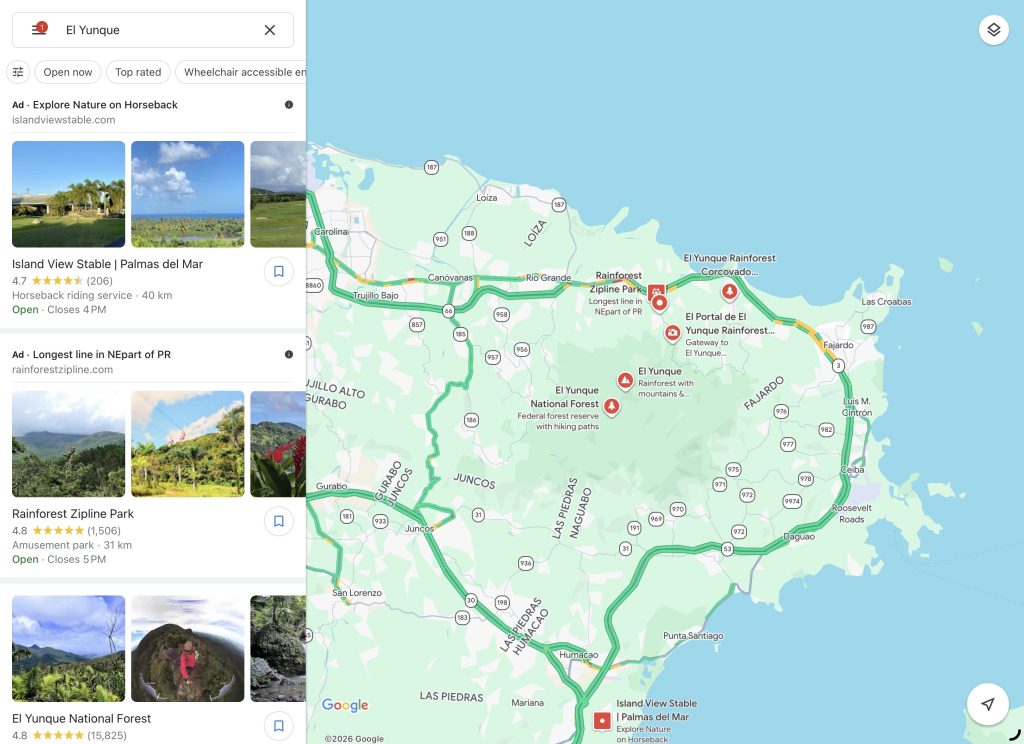
Your U.S. drivers license is valid in Puerto Rico. GPS and map applications work well, except when you’ll probably need them most, up in the mountains. Deep valleys and high peaks limit cellphone coverage and will interrupt your route on the app. Plan ahead, download a map and appoint a navigator. If you get lost, don’t worry, it will be beautiful. When in doubt, ask at the next little bar, store or even person you encounter, they’ll probably be more than willing to help.
Understanding the main road numbering system.
Main roads and expressways are numbered and the amount of digits is important. Single digit roads such as 1, 2, 3, 5, etc are old main roads. They will probably be filled with traffic lights, businesses and traffic but they won’t charge tolls. Double digit roads 18, 20, 22, 52, 53, etc are expressways and many are toll roads. (Ask about an Autoexpreso sticker at the rental company).
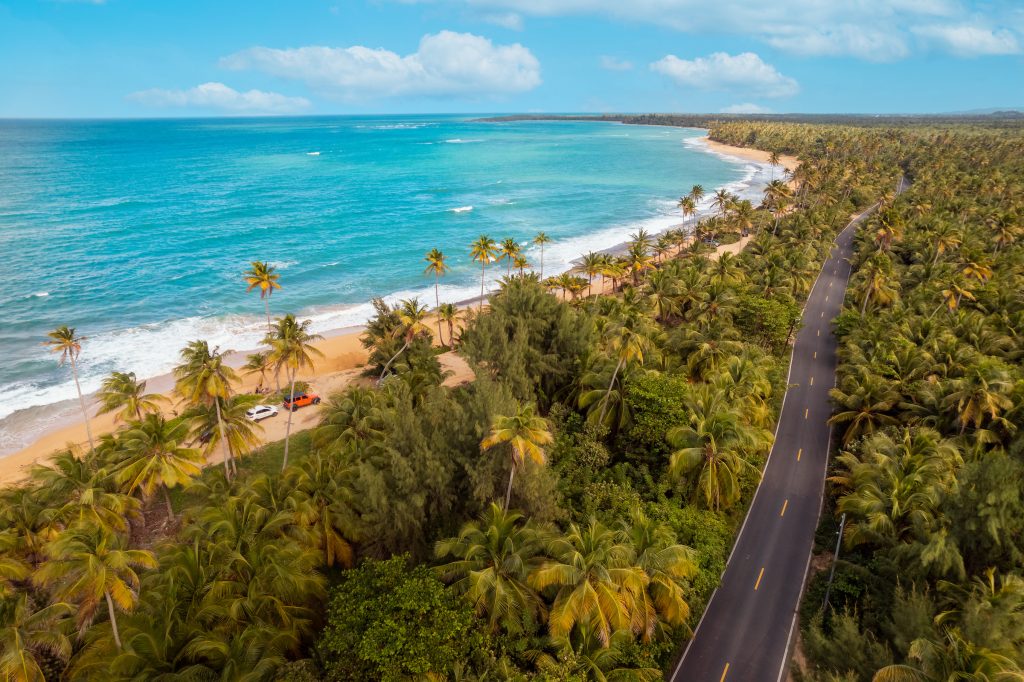
Three digit roads are secondary, older roads and probably the most interesting routes. These connect towns and the mountains or are coastal routes filled with beaches, views and eateries. Coastal roads 681 and 486 west are fun roads to take, 165 east is also great. 102 along the west coast, 116 in the southwest and 901 in the southeast are adventures you’ll enjoy.
Locals will tend to use names of roads instead of PR numbers and reference points so take note. Expect directions to be “take a right at Colmado Vazquez and after the river, take a left…”
Mountain adventures
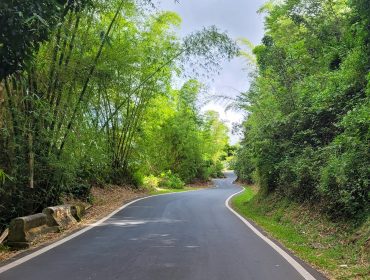
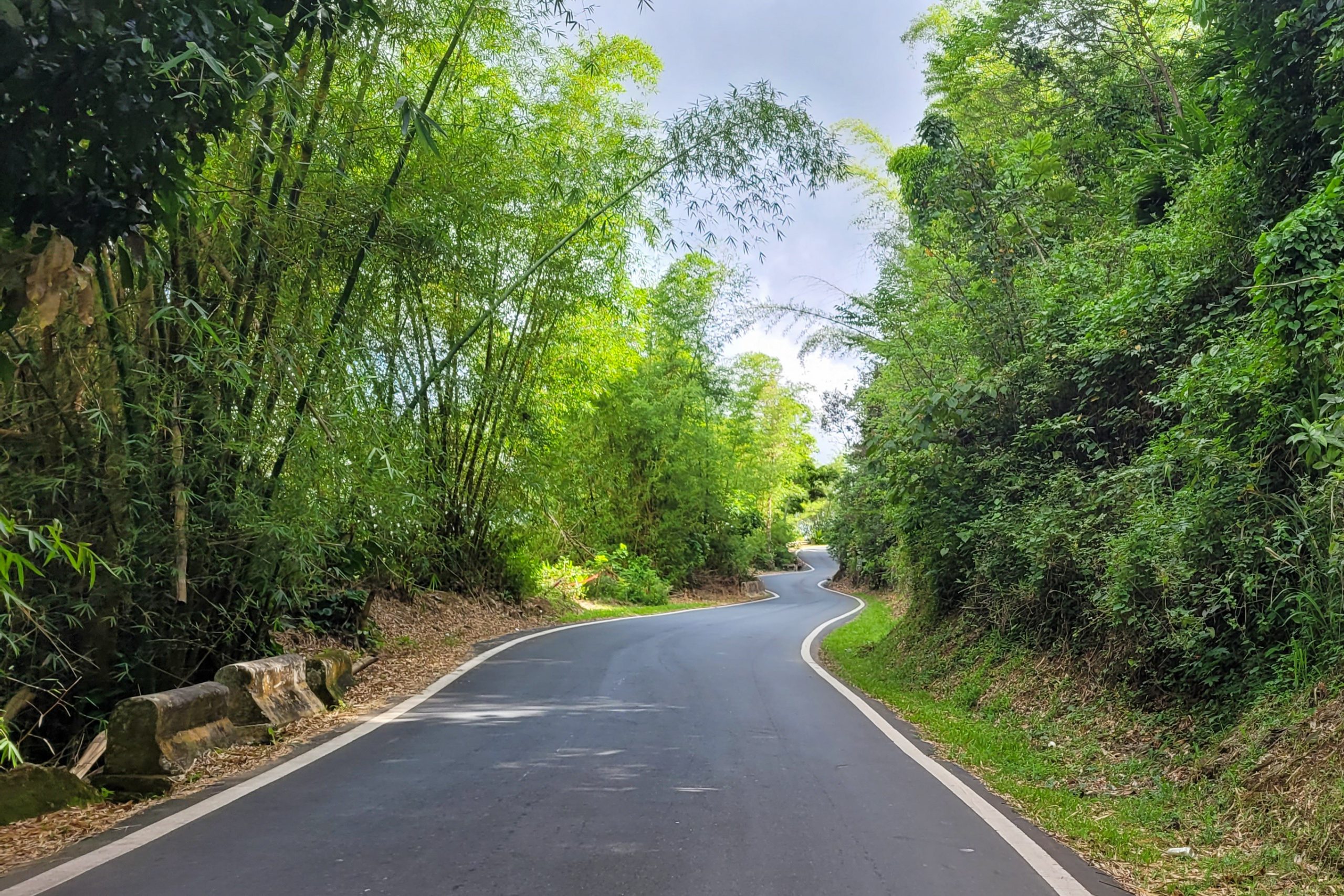
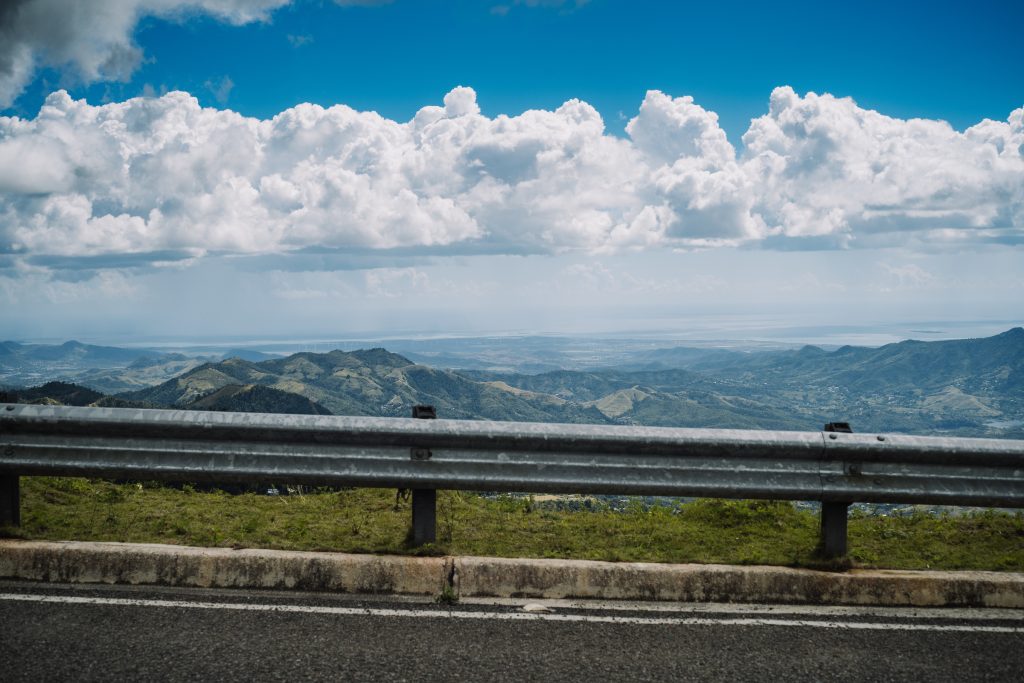
Up in the mountains, roads are two lanes and have plenty of winding curves. They’re scraped out of the side of the mountain so one side is always right on the edge. Drive slow and hope that you don’t get caught behind a large truck. You’ll probably see a few washouts where the road is reduced to a single lane. The 4 digit roads are very small roads that usually lead to isolated communities and are almost impossible to turn around on. So beware!
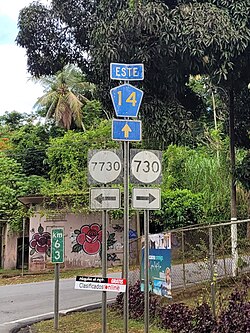
Kilometer markers
On many roads you’ll see kilometer and hectometer markers. Addresses are sometime given using these coordinates. The Spanish implemented this system and it’s still in use. A bit of trivia: kilometer 0.0 is in Plaza Colón in Old San Juan.
Traffic
Rush hour is a reality in metro area. Early morning will be into the city and around 3pm it will be out of the city. The road west is notorious son plan your departures accordingly. Roadwork is constant, so check your driving app and avoid the red. Waze can give you good alternatives.
Road trip to paradise
There’s a whole new world outside the cities. Your best bet is to choose a destination, be it a beach or a mountain destination such as Jayuya or Orocovis and just drive there. The road is part of the adventure so don’t rush. If you see an interesting waterfall or view pull over (safely) and check it out. Stop at small shops or bars along the way and play a game of pool or just chat with the locals about to get to know more about the area. You just might discover a unique adventure!